Choose your anchor stops
The common pitfall of a northern voyage is attempting to bind five distant territories into ten frantic days. Selecting two complementary anchors produces a far richer understanding of Nordic landscape and architecture.
Copenhagen: Urban Intimacy and Flat Waterways
Copenhagen functions with an engineering elegance that prioritizes the pedestrian and cyclist. Built on coastal islands separating Zealand and Amager, Denmark's capital does not intimidate with towering hills; its drama lives in low horizontal sightlines, copper-green church spires, and water clean enough for public harbor baths.
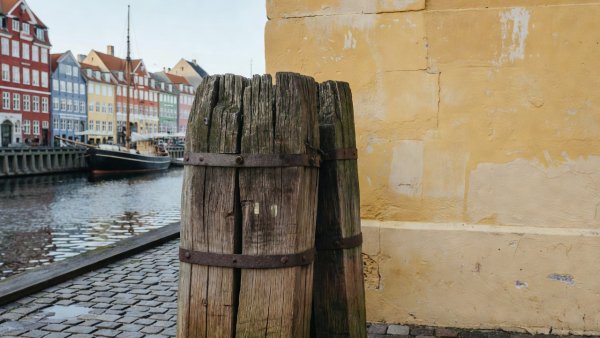
Neighborhood Textures to Prioritize
Christianshavn: Modeled after 17th-century Amsterdam canals, Christianshavn blends cobblestone residential lanes with houseboats and house-front lime trees. Walking its quays early in the morning offers calm before tour boats churn the water.
Nørrebro: Across the Dronning Louises Bro bridge, Nørrebro houses independent bookbinders, Scandinavian roasteries, and the shaded historic paths of Assistens Cemetery, where philosopher Søren Kierkegaard is buried.
Copenhagen at a Glance
- CharacterIntimate, design-led, bike-centric
- Topographic FeelCompletely flat, sea-level canals
- Key AssetWorld-leading food & public architecture
- Optimal Stay3 to 4 full days
- Airport TransitMetro M2 directly to city center (13 min)
Stockholm: Stone Islands and Regal Horizons
Sweden's capital is an exercise in stone masonry sitting atop smooth granite bedrocks. Because the city occupies fourteen islands where Lake Mälaren flows into the Baltic Sea, you are rarely more than three minutes away from open water and ferry docks.
Stockholm at a Glance
- CharacterMonumental, maritime, layered
- Topographic FeelGranite bluffs, expansive waterfronts
- Key AssetNational museums, preserved naval relics
- Optimal Stay4 full days
- Airport TransitArlanda Express train (18 min)
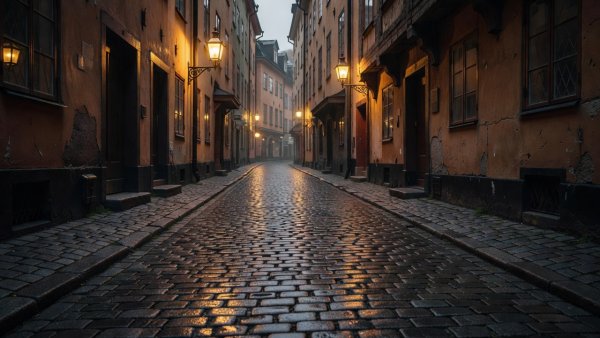
Contrasting Island Quarters
Södermalm: Perched on steep southern granite cliffs, this former working-class district combines panoramic views across Riddarfjärden with quiet stepped alleyways and contemporary photography galleries.
Djurgården: A protected green island once reserved as royal hunting grounds, Djurgården houses the Vasa Museum, the Nordic Museum (Nordiska museet), and miles of tranquil gravel walking paths shaded by heritage oaks.
Oslo: Contemporary Architecture & Forest Edges
Oslo has evolved rapidly from an unassuming regional administrative center into one of Europe's most audacious waterfront architectural centers. Its harbor is now framed by the white Italian marble angles of the Snøhetta-designed Opera House, the Munch Museum tower, and the timber wharves of Aker Brygge.
Bjørvika & Bygdøy
Spend morning hours strolling along the water promenade from the new National Museum towards the floating sauna clusters, then take a quiet electric ferry out to Bygdøy peninsula to inspect historic polar exploration ships.
Nordmarka Tram Transit
Line 1 of the Oslo T-bane climbs directly from downtown tunnels up to Frognerseteren at 469 meters altitude. Step off the train into silent boreal spruce woods overlooking the vast blue expanse of the Oslofjord.
Bergen & Western Fjord Hubs
Bergen provides the gateway to the western fjord country. Sheltered by seven mountains and steeped in Hanseatic trading heritage at the UNESCO-protected Bryggen waterfront, it represents the wet, Atlantic-facing face of Scandinavia.
The Contrast Between Bergen and Capital Cities
Unlike the calm brick order of Copenhagen or the grand stone palaces of Stockholm, Bergen smells of wet cedar, Atlantic brine, and mountain pine. It is an ideal launching pad for the Flåm railway and the steep, narrow waters of the Nærøyfjord, but it requires patience with sudden precipitation and steep terrain.